Introduction
The global construction industry is a major contributor to CO₂ emissions and resource consumption. Bio-based materials – derived from renewable biological resources like plants, animals, and microorganisms – can sequester carbon, reduce reliance on fossil fuels, and offer thermal, acoustic, and health benefits at least comparable to traditional products. The transition from conventional to bio-based materials is not just about the products themselves but a fundamental shift in the entire value chain, driven by a diverse group of stakeholders from farmers growing raw materials to policymakers setting new standards.
Raw material suppliers: the feedstock processor
A new and critical player in the bio-based ecosystem is the agrowaste processor. Companies and organizations specialize in collecting and transforming agricultural by-products – rice husks, corn cobs, grape pomace – into usable construction materials. The Agrifood Clust-ER in Emilia-Romagna exemplifies this: this private association connects companies, research centers, and training bodies to focus on the circular economy and valorization of biomass residues. Levery, together with Agrifood Clust-ER and under the coordination of CETMA, is developing a new project for agro-waste chain monitoring.
Consortium projects: collaboration in action
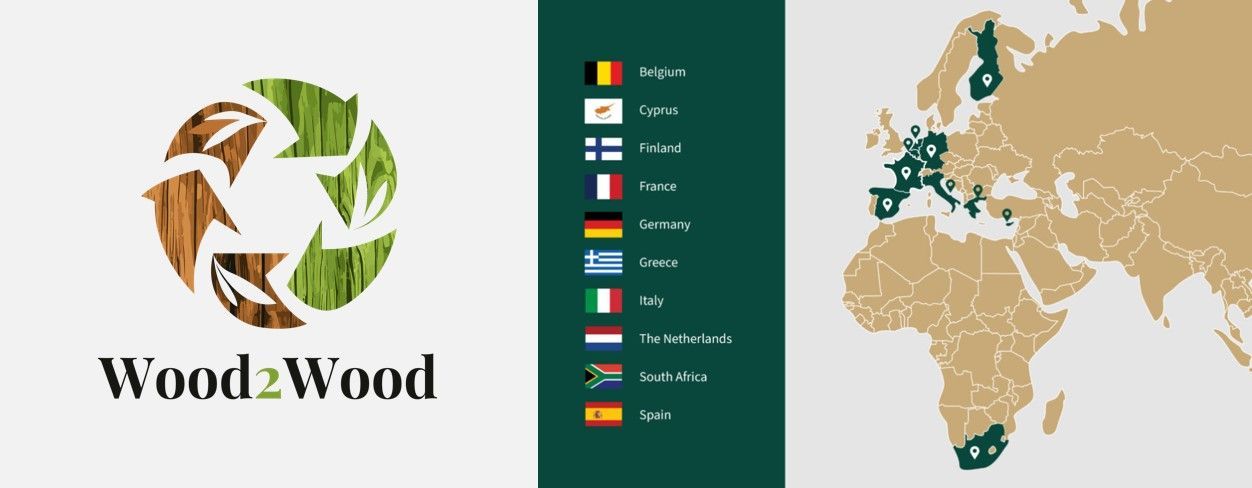
The EU-funded WoodToWood (W2W) project unites 25 partners including research institutes, universities, and industry players (Levery is part of this consortium). Their goal is to upcycle wood waste from construction and demolition into new high-value materials, creating a comprehensive framework for multi-dimensional cascade valorization of wood. The BIOS MATER project brings together 22 partners from 10 EU countries (Levery is also part of this consortium) to develop and validate four new production routes for bio-based construction products including flooring systems and tiles, measuring success through techno-economic and environmental KPIs.
Networking ecosystem: InnovaWood and Built by Nature
InnovaWood is the largest European network dedicated to research, innovation, and education in the forest, wood-based, and furniture sector – an umbrella for over 70 members facilitating knowledge transfer and project consortia. Built by Nature (BbN) is dedicated to increasing market demand for mass timber and other bio-based materials, connecting developers, architects, investors, and policymakers. Both networks are essential in creating the critical mass needed to scale bio-based construction across Europe.
Public policy: France RE2020
The French RE2020 environmental regulation mandates the use of bio-based materials in new buildings. This policy drives a market shift by incentivizing low-carbon materials and factoring in the carbon-storing benefits of bio-based products. Specific CO₂/m²/year caps decrease over time (2025, 2028, 2031), targeting a 30% reduction in emissions by 2030 compared to 2013 levels for construction.
Manufacturers: Pedone Working / Biomat
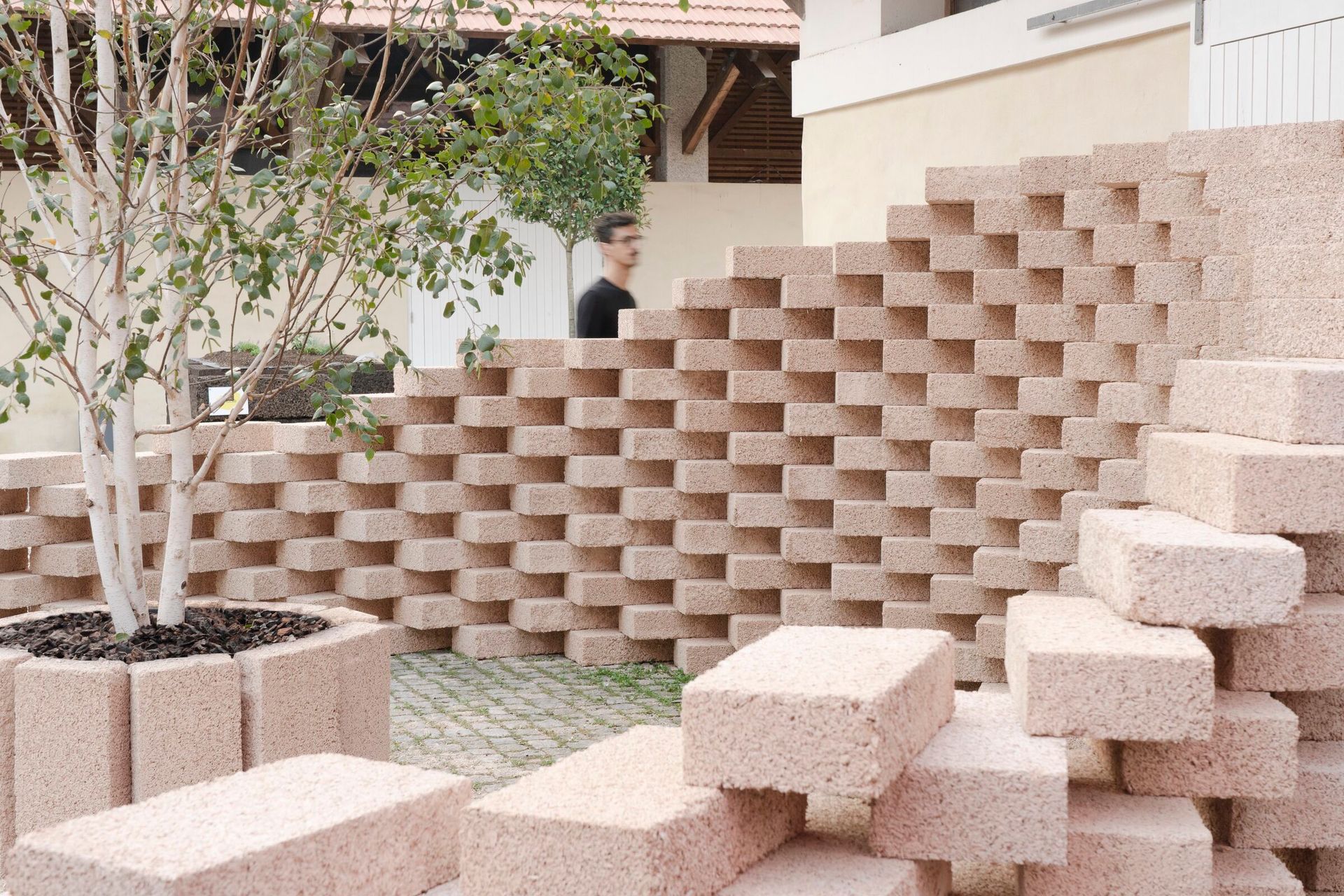
Italian company Pedone Working operates under the Biomat brand to develop hemp-based building products with a potentially 0 km supply chain. Their Mattone di Canapa hemp brick is carbon-negative – absorbing more CO₂ during its lifecycle than is emitted in production. Their products improve indoor air quality, regulate humidity, and provide high fire resistance, targeting a complete carbon-negative building solution.
Conclusion
The shift to bio-based materials in construction is a systemic change requiring the coordinated effort of a wide array of stakeholders. From pioneering companies and EU-funded consortia building new circular value chains, to agrowaste processors turning agricultural by-products into building blocks, we are seeing a collaborative push toward a greener future. At Levery, we are proud to be part of this movement, helping to connect these different worlds and accelerate the transition to a truly sustainable built environment.

References
Agrifood Clust-ER (Emilia-Romagna): https://agrifood.clust-er.it/WoodToWood Project: https://www.wood2wood-project.eu/BIOS MATER Project: https://biosmater.eu/Built by Nature Network: https://builtbn.org/InnovaWood: https://innovawood.com/Pedone Working / Biomat: https://pedoneworking.it/Biomat Canapa: https://biomatcanapa.it/French RE2020 – Building with Wood: https://agriculture.gouv.fr/building-wood-environmental-and-economic-potential-analysis-ndeg211Stay informed
One email per month. R&D and innovation news for the construction industry.
No spam. Unsubscribe at any time.