Building components and elements
The transition toward a sustainable built environment relies on the physical integration of low-impact materials into building structures. Following our analysis of the stakeholders driving this sector, we now focus on the products redefining the performance of both the building envelope and internal systems. These materials are moving beyond traditional timber to include high-performance composites derived from agricultural waste, fungi, and bio-polymers – aiming to replace carbon-intensive plastics, mineral wool, and concrete with alternatives that act as active carbon sinks.
The evolution of the bio-based building envelope
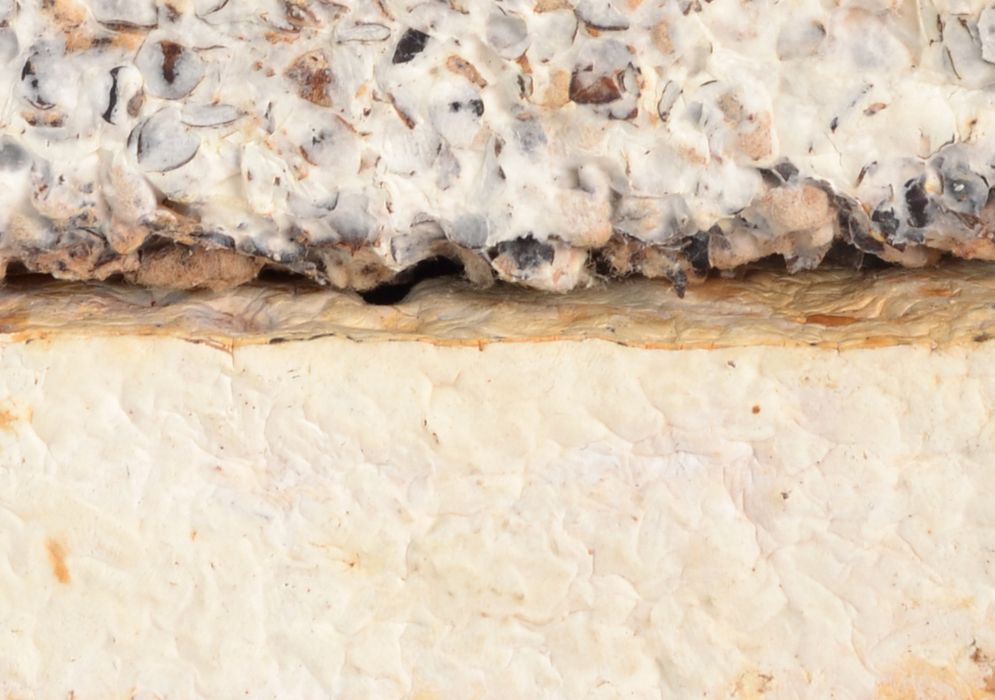
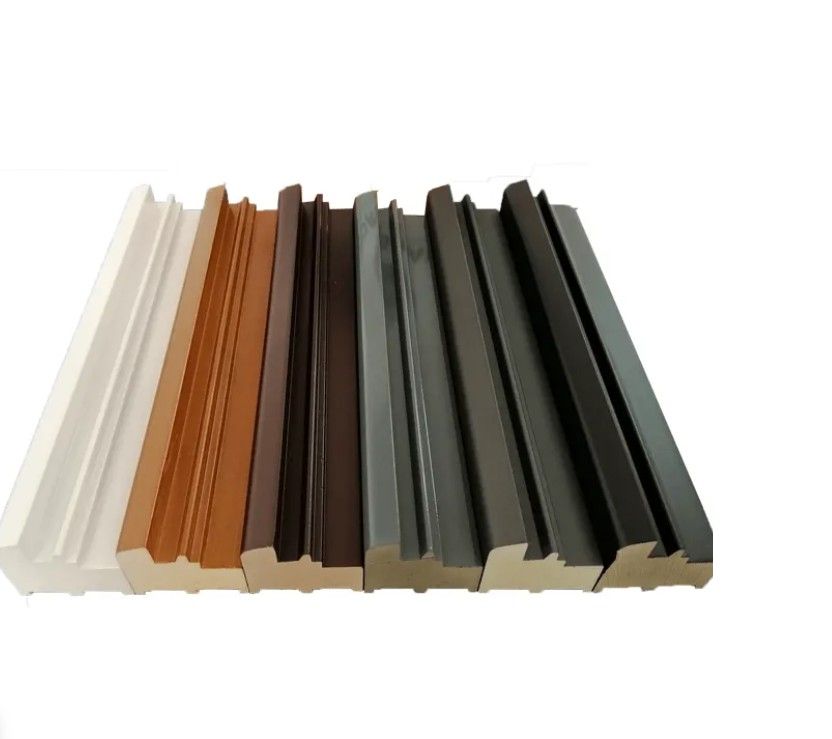
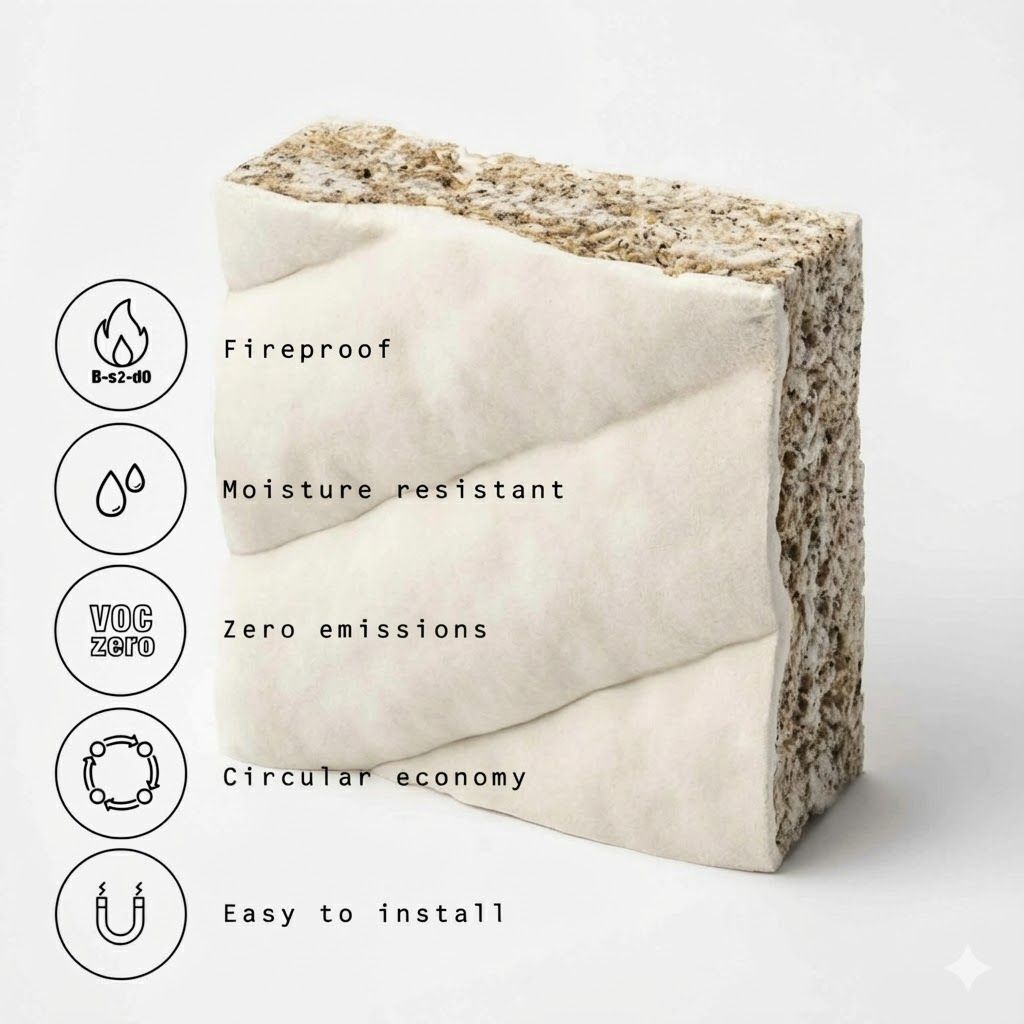
Indresmat has developed a thermal-break window frame solution using a proprietary bio-based polyurethane, with up to 65–75% biosourced materials. These frames achieve thermal transmittance values of 0.88 W/m²K – exceeding current regulatory requirements – while replacing 100% fossil-based polyurethane. Mykor produces highly insulating panels by growing fungal root structures on industrial wood residues, creating a carbon-negative product that sequesters more carbon during growth than is emitted during processing. Thermal conductivity is comparable to mineral wool but with superior acoustic performance and fire resistance without toxic chemicals. 4D-Mater's Grow-Foams leverage porous biological structures for a high strength-to-weight ratio. The Mattone di Canapa by Biomat (Pedone Working) – hemp shives and natural lime binders – provides high thermal inertia, regulates indoor humidity, and enables a circular business model using hemp cultivation waste.
Bio-based solutions for interiors, structure and furniture
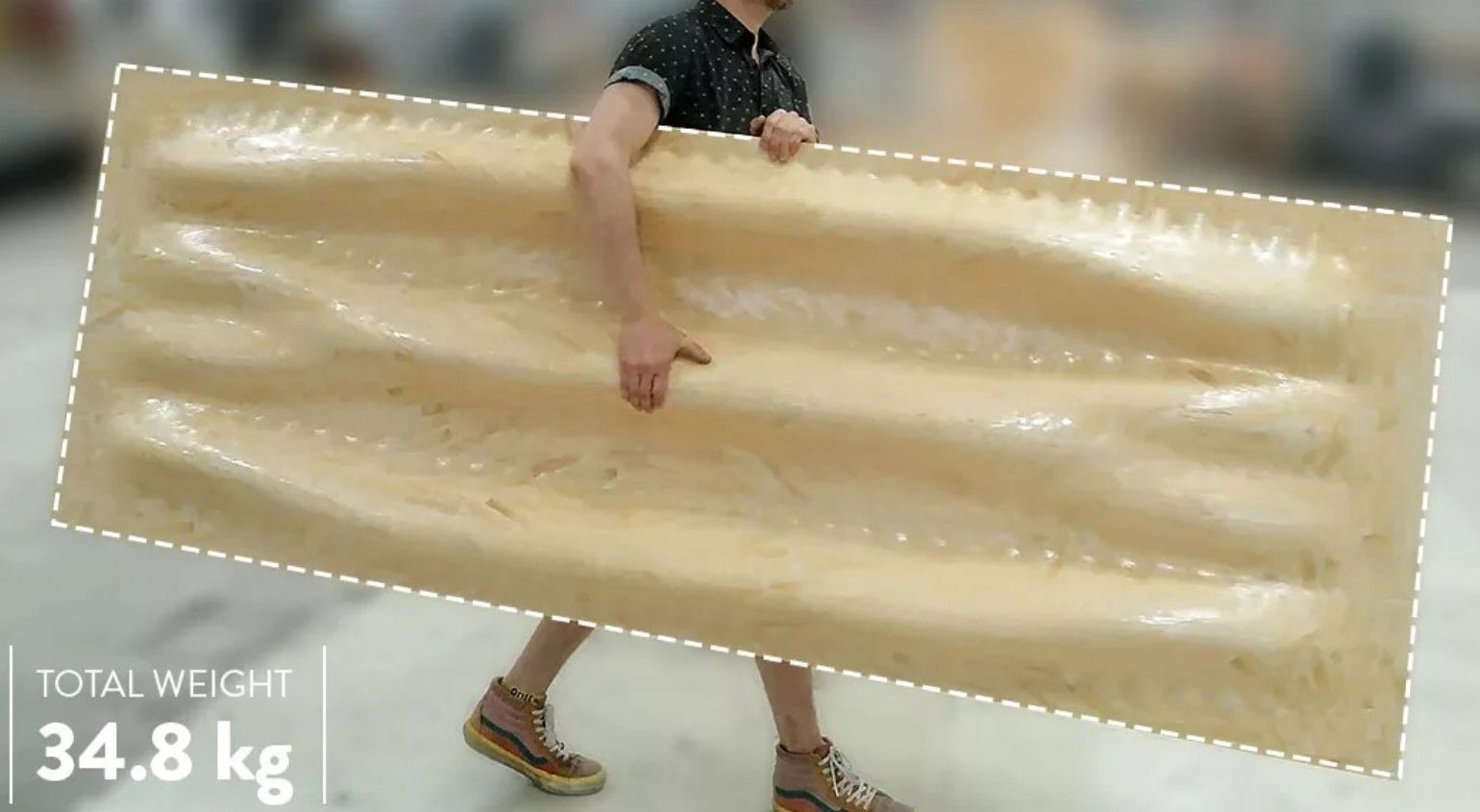
Mogu utilizes mycelium technology grown from fungal strains on upcycled textile and agricultural residues to create acoustic panels that are entirely biodegradable and VOC-free. StrongByForm pioneers structural Woodflow technology, creating high-performance components by optimizing wood fiber direction to mimic natural growth patterns – lightweight structural elements that can replace steel or concrete in specific applications. Woodio has developed a water-resistant wood composite for sanitaryware including sinks and toilets, with wood chips and bio-based resin binder creating carbon-storing products with significantly lower carbon footprint than ceramic alternatives.
Conclusion
The physical products available today prove that bio-based materials are no longer limited to niche applications. From the bio-polyurethane frames of Indresmat and the carbon-negative masonry of Biomat to the structural bio-composites of StrongByForm, these components provide a proactive solution to the construction industry's environmental challenges. At Levery, we view the adoption of these standardized, high-performance bio-components as a fundamental step toward a truly sustainable and human-centric built environment.
References
Indresmat – Bio-based Windows: https://www.indresmat.com/Mykor – Mycelium Insulation Technology: https://www.mykor.co.uk/4D-Mater – Grow-Foams and Bioceramics: https://4d-mater.com/index.php/products/grow-foamsBiomat Canapa – Mattone di Canapa: https://biomatcanapa.it/home-big-construction-company/linea-canapafor-mattonedicanapa/Mogu – Mycelium for Interior Design: https://mogu.bio/StrongByForm – Structural Woodflow Technology: https://www.strongbyform.com/Woodio – Bio-based Wood Composite Sanitaryware: https://www.woodio.fi/Stay informed
One email per month. R&D and innovation news for the construction industry.
No spam. Unsubscribe at any time.