Introduction
BIPV represents a paradigm shift in construction – one of the most promising ways to decarbonize the built environment. Solar panels are no longer add-ons but integral components that blend functionality with sustainability. The European project MC2.0 investigates how stakeholders approach BIPV in different building typologies, mapping practices and testing design tools to accelerate scalable, user-centric BIPV solutions.
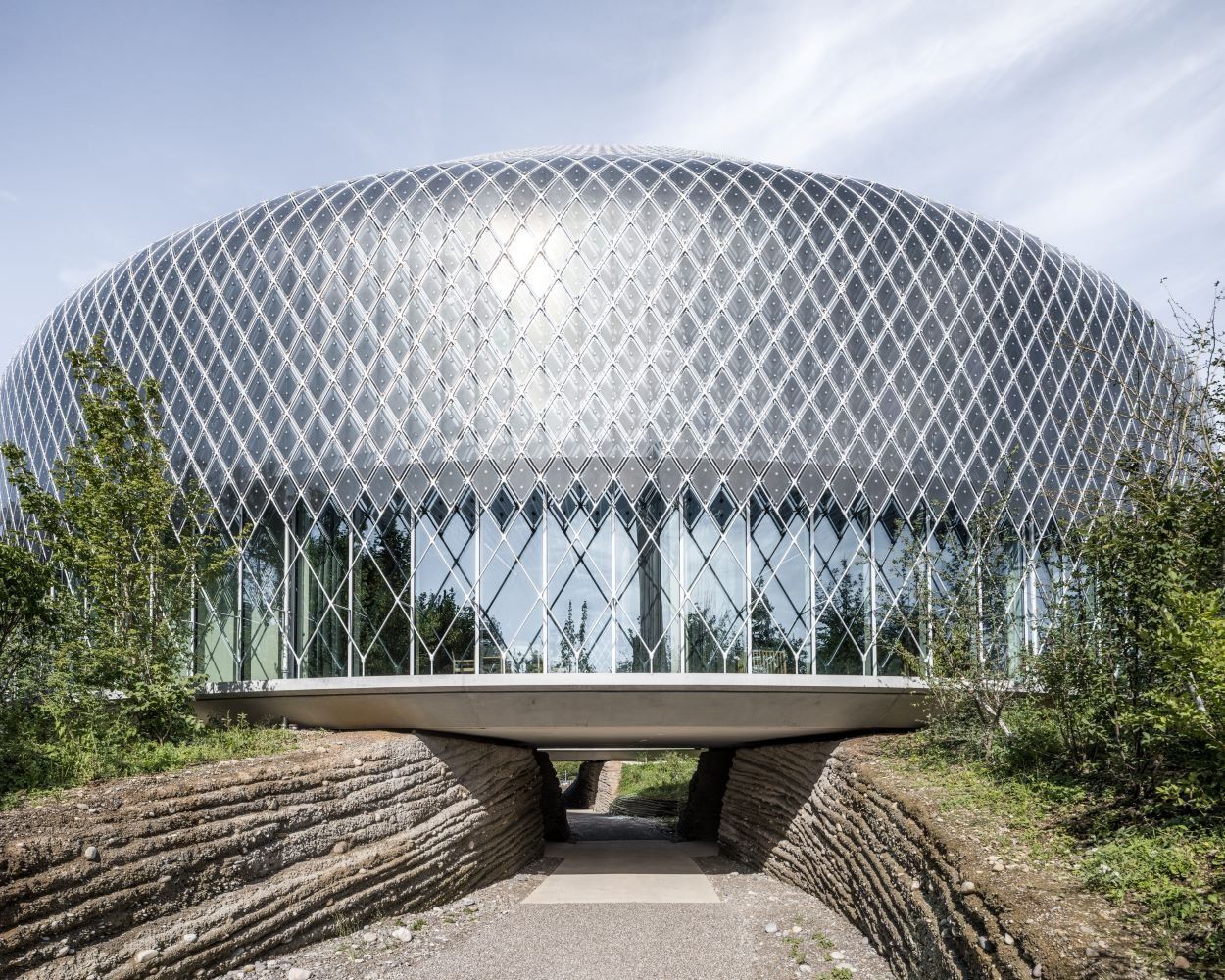
Pavillon Novartis, Basel
The Novartis Pavilion in Basel features a translucent media façade with 10,000 diamond-shaped OPV panels with 30,000 embedded LEDs, designed by AMDL Circle with Michele de Lucchi. The installation generates approximately 15,000 kWh annually – equivalent to four average homes – while creating a striking architectural statement. It demonstrates that energy-producing buildings can also be works of art that enhance the urban landscape.
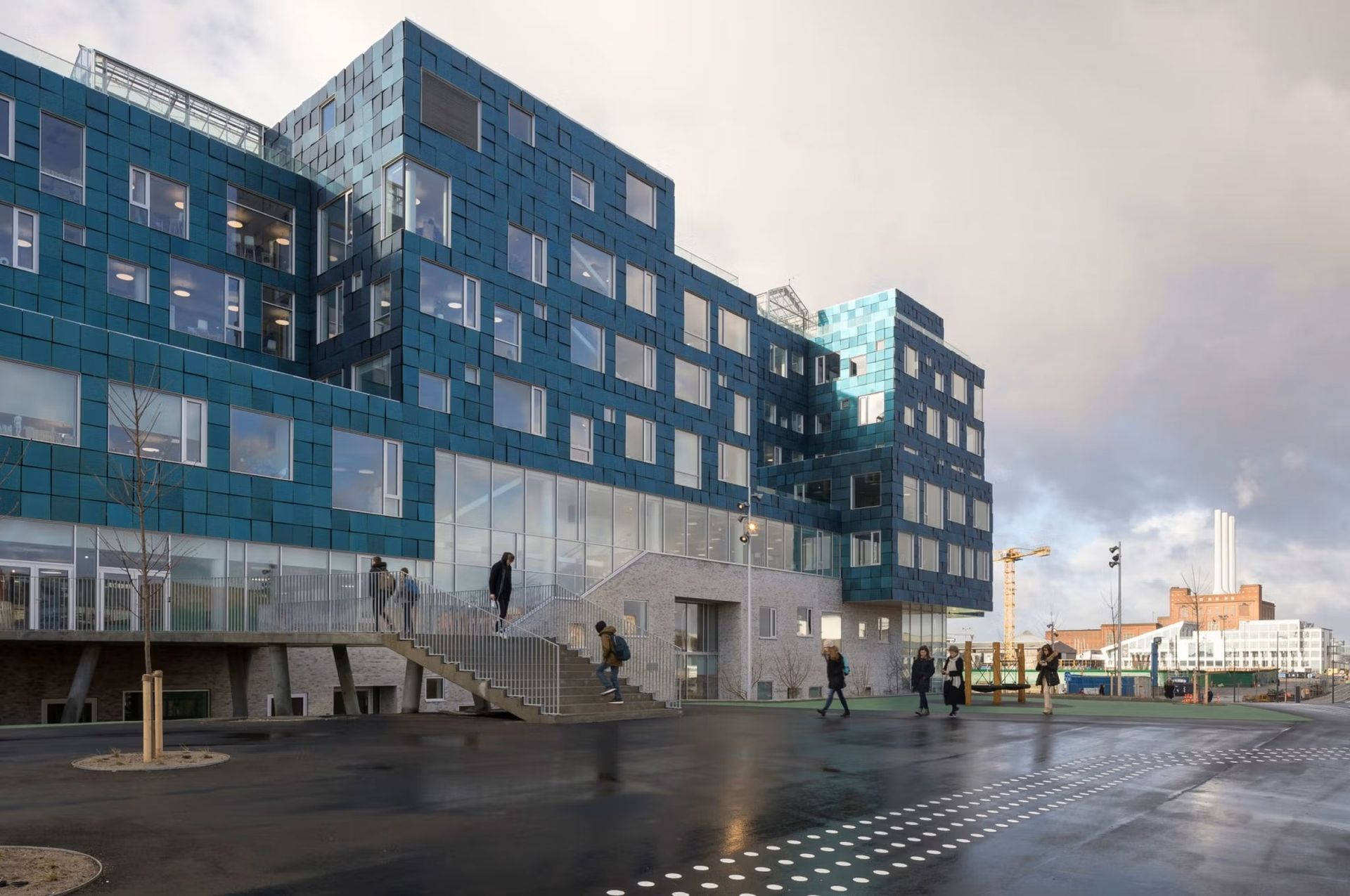
Copenhagen International School
CIS in Denmark, designed by C.F. Møller Architects, clad the entire facade with approximately 12,000 custom-colored lightweight solar panels – supplying almost half of annual electricity consumption. Custom-colored panels demonstrate that BIPV can move beyond traditional dark hues while maintaining a building's visual identity.
Red Deer College and Unipol Tower
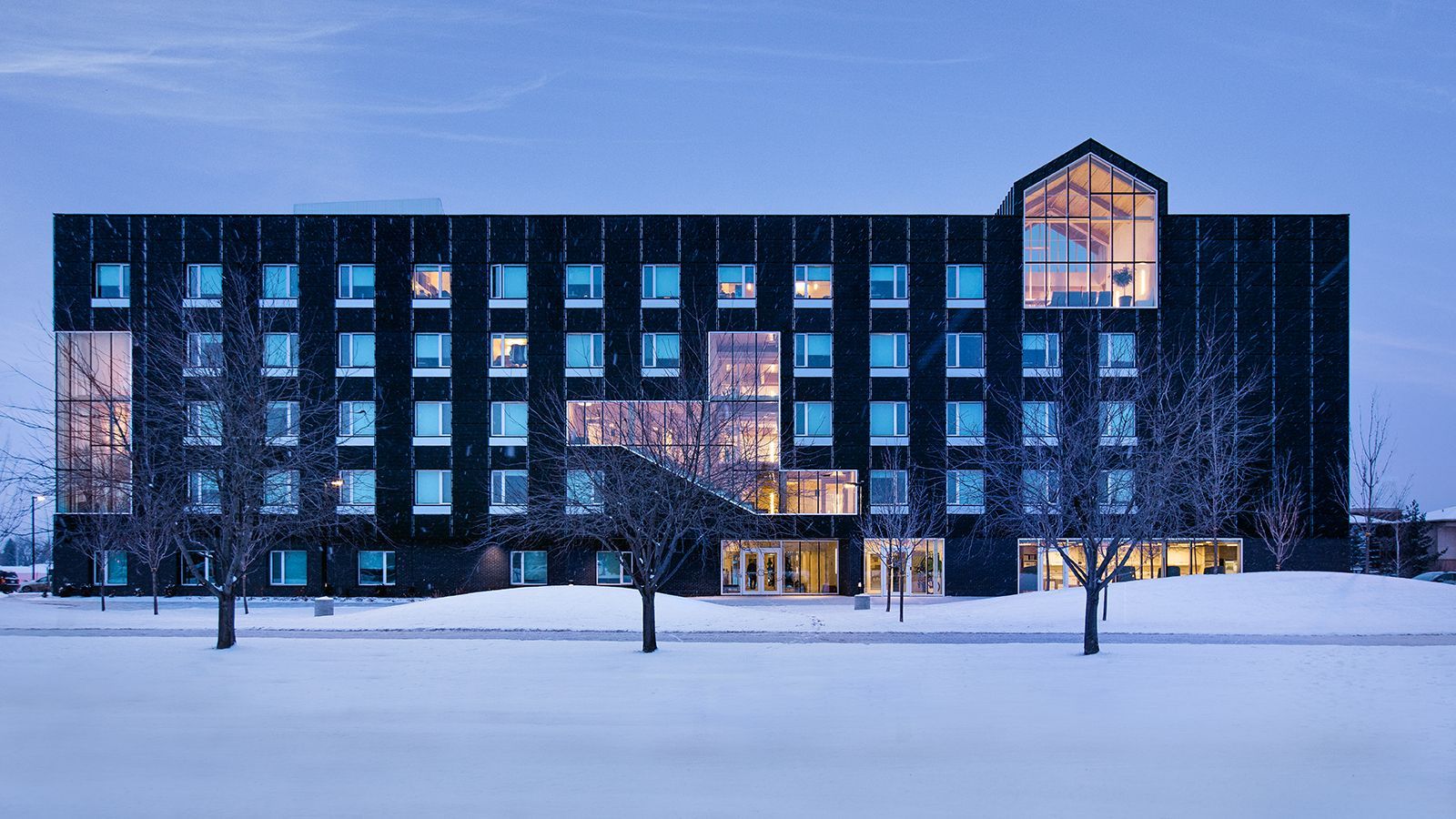
Red Deer College (Canada) incorporated over 300 m² of custom photovoltaic glass in the south-facing façade, in collaboration with MetSolar, meeting rigorous energy efficiency demands while adhering to local climate conditions. Unipol Tower in Milan by MCA Architects features a double-skin BIPV façade following the tower's curvature – achieved LEED Gold certification. BIPV was a fundamental design component from project inception, not an afterthought.
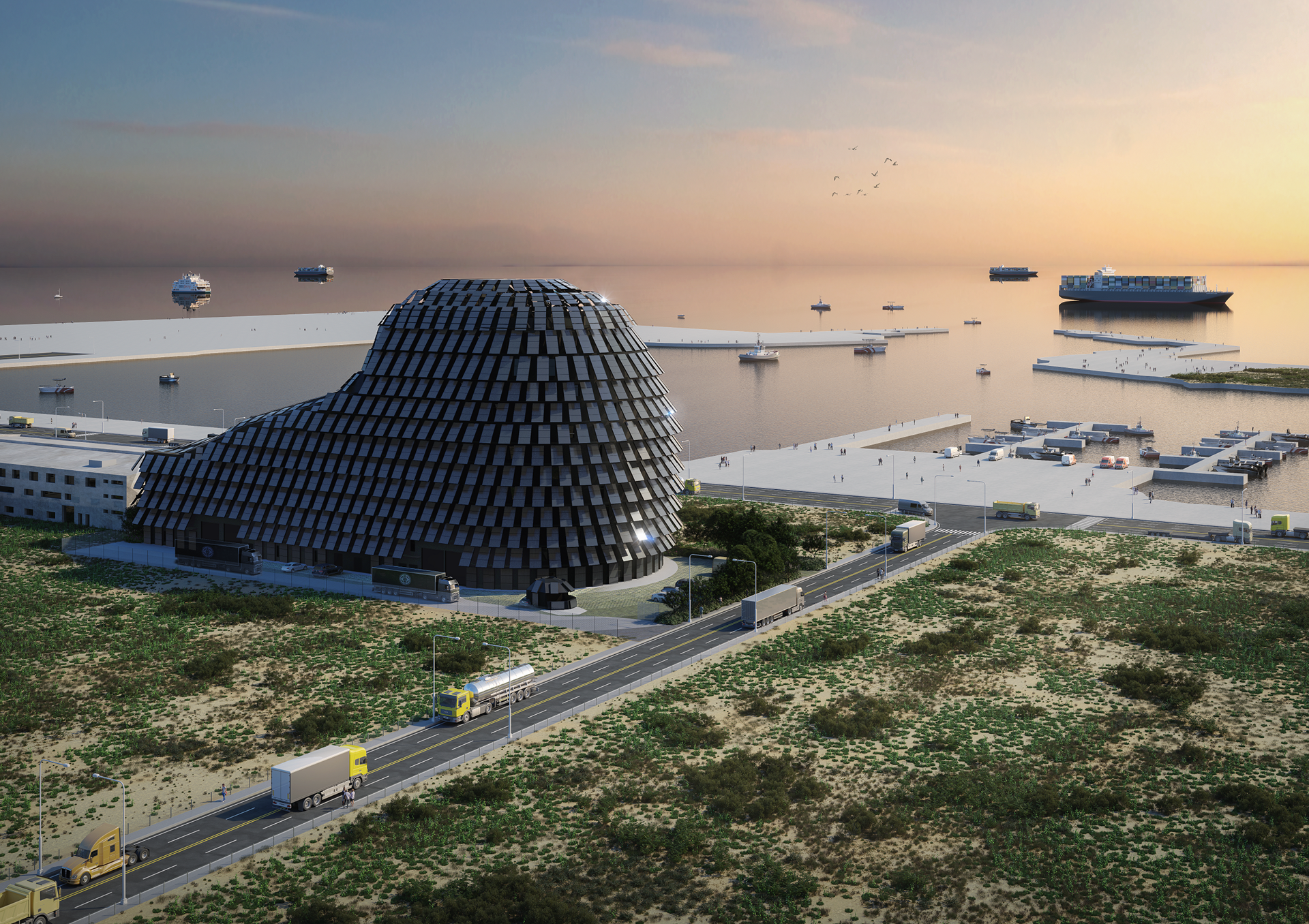
Sun Rock by MVRDV, Taiwan
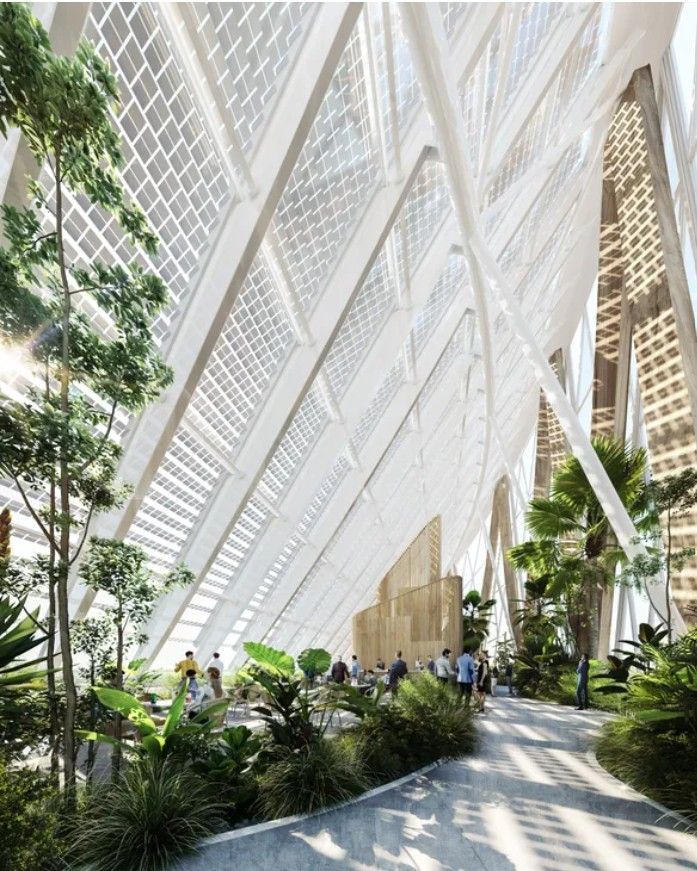
The Sun Rock building for Taipower in Taiwan features a pleated facade covering approximately 4,000 m² of PV panels, projected to generate 1.2 million kWh annually – making the building completely self-sufficient. The building's form resulted from data-driven analysis to optimize solar irradiation throughout the day, with each pleat angle precisely adjusted based on solar path analysis.
Lessons and barriers
Common success factors include multidisciplinary coordination, reliable verification, and regulatory alignment. Key barriers remain: higher upfront costs, longer payback periods, and technical complexity requiring expertise in both construction and electrical engineering. Overcoming these requires continued technological advancement, clearer industry standards, and supportive government policies.
References
MC2.0 – Mass Customization for BIPV: https://mc2dot0.eu/IEA PVPS Task 15: https://iea-pvps.org/wp-content/uploads/2021/03/IEA-PVPS-Task-15-An-international-collection-of-BIPV-projects-compr.pdfMetSolar – Red Deer College: https://metsolar.eu/solar-architecture/red-deer-college-residence-successful-bipv-customization-challenge-in-canada/MetSolar – Unipol Tower: https://metsolar.eu/solar-architecture/unipol-tower-in-milan-brilliant-example-of-leadership-in-energy-and-environmental-design/AMDL Circle – Novartis Pavillon: https://www.theplan.it/eng/award-2023-Culture/novartis-pavillon-the-potential-of-architecture-to-communicate-the-values-of-science-amdl-circleSolarLab – CIS: https://solarlab.global/project/copenhagen-international-schoolMVRDV – Sun Rock: https://mvrdv.com/projects/754/sun-rockStay informed
One email per month. R&D and innovation news for the construction industry.
No spam. Unsubscribe at any time.