Introduction
The systemic change toward a digitally integrated construction site is being enhanced by the physical deployment of robotic units capable of bridging the gap between digital representation of the built environment via CAD and BIM, and jobsite execution. Following our analysis of the stakeholders driving this evolution, we now focus on some of the robotic products which are currently optimising task automation and addressing human augmentation. These technologies address core industry challenges: labour shortages, safety risks in repetitive tasks, and the persistent productivity gap. By classifying these solutions based on their field of application – ranging from general building operations to specialised infrastructure works – we can observe how automation is replacing manual, error-prone processes with high-precision digital execution.
Building on-site operations: layout and structural masonry
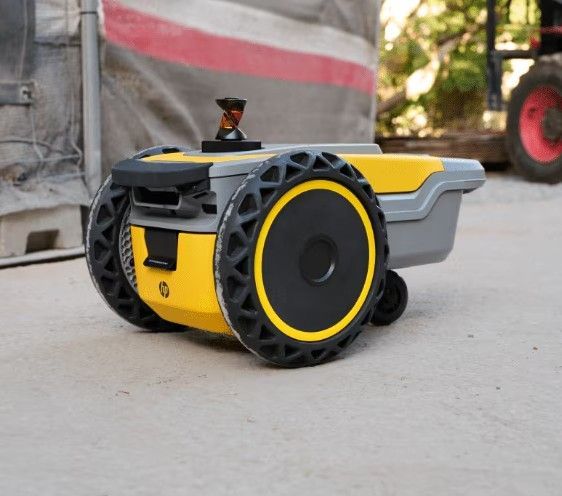
The initial phase of any on-site operation requires the precise translation of digital designs into physical coordinates. The HP SitePrint layout robot serves this specific function, autonomously printing complex floor plans directly onto the jobsite slab. By integrating directly with cloud-based BIM data, the system eliminates the traditional, manual marking process. Its impact is measured by the reduction in layout time and the high-fidelity alignment between the "as-designed" and "as-built" setting out, preventing downstream errors. Moving from layout to structural assembly, the FBR Hadrian X represents a significant shift in autonomous masonry. This truck-mounted system utilises a telescopic boom to lay structural blocks according to a 3D CAD model. By using a specialised adhesive instead of traditional mortar, the Hadrian X achieves high lay rates and structural precision with minimal material waste.
Infrastructure operations: specialised heavy automation
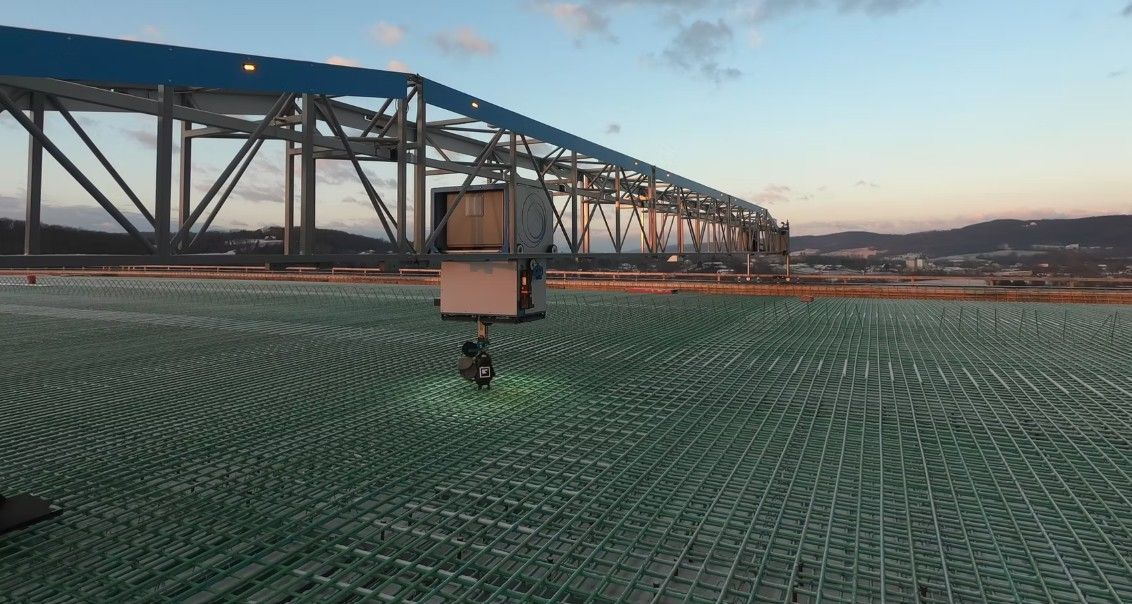
Large-scale infrastructure projects, such as bridges and highways, require automation capable of handling high-volume, repetitive structural tasks. The Advanced Construction Robotics TyBot is a specialised autonomous solution for rebar tying on bridge decks. The TyBot navigates the rebar mat autonomously, identifying and tying thousands of intersections without manual intervention. This allows human crews to focus on complex placement while the robot manages the critical path of reinforcement. For large-scale earthworks, the Built Robotics Exosystem provides a scalable solution for infrastructure and energy projects. This AI-driven aftermarket kit transforms standard heavy machinery into fully autonomous robots capable of performing complex trenching and digging tasks with consistent excavation depth and precision, facilitating 24/7 operations and increasing site productivity by up to 30%.
Finishing, interior installation and site intelligence
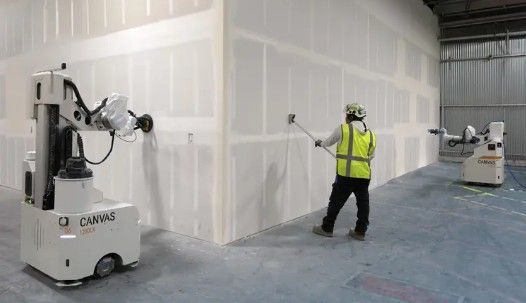
Once the structure is established, interior finishing and MEP installations require precise, semi-autonomous movements. The Hilti Jaibot is a mobile drilling robot designed for overhead MEP installations, the result of a strategic collaboration between Hilti and Norwegian startup nLink. By following BIM-defined coordinates, the Jaibot executes precise anchor holes, ensuring ceiling-mounted systems are installed exactly where the digital plan dictates. Complementing this is the Canvas (a JLG company) drywall finishing robot, which automates the spraying and sanding of joint compound. For site-wide monitoring, the Boston Dynamics Spot robot – utilised by contractors like Skanska – serves as a mobile sensing platform. Integrated with FARO/HoloBuilder technology, Spot performs autonomous site walks to capture 360-degree imagery and laser scans, providing real-time digital twin updates.
Conclusion
The robotic products currently available for the construction sector demonstrate a clear move toward specialised, task-oriented automation. From the HP SitePrint's layout accuracy to the heavy-duty infrastructure capabilities of TyBot and the interior precision of the Hilti Jaibot and Canvas, these machines are redefining the jobsite. By delegating repetitive, dangerous, and high-precision tasks to robotic units, the construction industry achieves higher productivity and safer working conditions. At Levery, we recognise that the future of construction is centred on the seamless integration of digital intelligence and robotic execution.
References
HP SitePrint – Layout Robot: https://www.hp.com/us-en/printers/site-print/layout-robot.htmlJLG Canvas – Drywall Finishing Robot: https://www.jlg.com/en/canvasAdvanced Construction Robotics – TyBot: https://www.constructionrobots.com/tybotBuilt Robotics – Exosystem: https://www.builtrobotics.com/exosystemFBR Limited – Hadrian X: https://www.fbr.com.au/system/hadrian-xHilti Group – Jaibot: https://www.hilti.com/content/hilti/W1/US/en/business/business/trends/jaibot.htmlnLink Robotics: https://www.nlinkrobotics.com/our-storyBoston Dynamics – Spot: https://www.bostondynamics.com/products/spotLevery – Robotic & Automation Actors & Stakeholders: https://www.levery.it/robotic-automation-for-construction-actors-stakeholdersStay informed
One email per month. R&D and innovation news for the construction industry.
No spam. Unsubscribe at any time.