Introduction
The analysis of recent international case studies demonstrates that robotics in the construction sector has transitioned from experimental prototyping to empirical validation within complex operational environments. The integration of autonomous systems addresses the structural challenges of the industry: temporal optimization, occupational safety, and millimetric precision in fabrication and assembly. The following sections categorize these technological impacts by their specific functional applications.
Additive Manufacturing and On-site 3D Printing
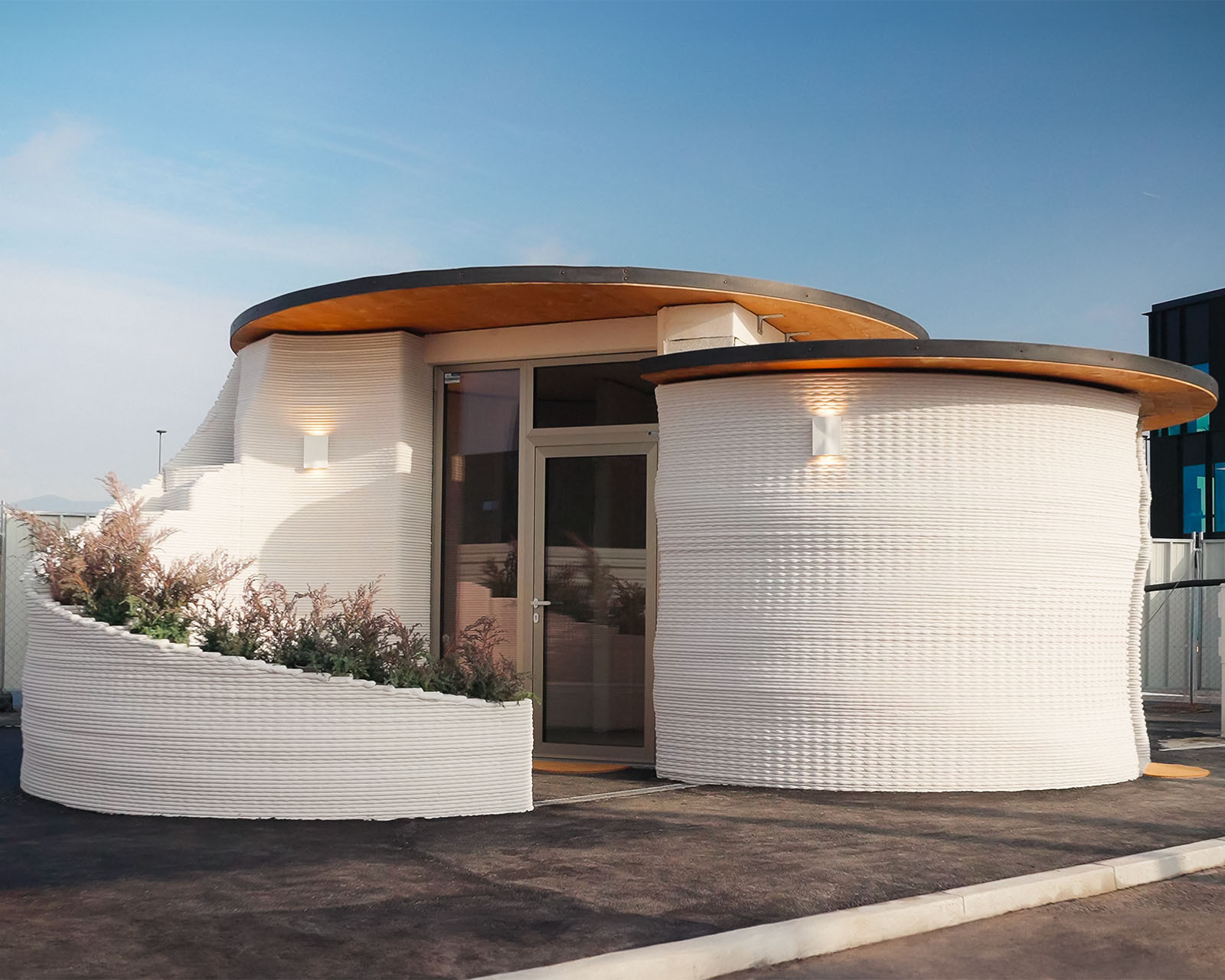
Digital fabrication is converting the traditional construction site into a distributed factory, enabling the production of complex geometries directly in situ. A primary exemplar is the collaboration between WASP and the Bergamo Airport, which resulted in a 3D-printed service building. This application proves that additive manufacturing is not merely an aesthetic exercise but a pragmatic response to the demand for functional infrastructure, significantly reducing material waste and the logistical overhead associated with the transport of prefabricated components.
Advanced Prefabrication and Structural Optimization
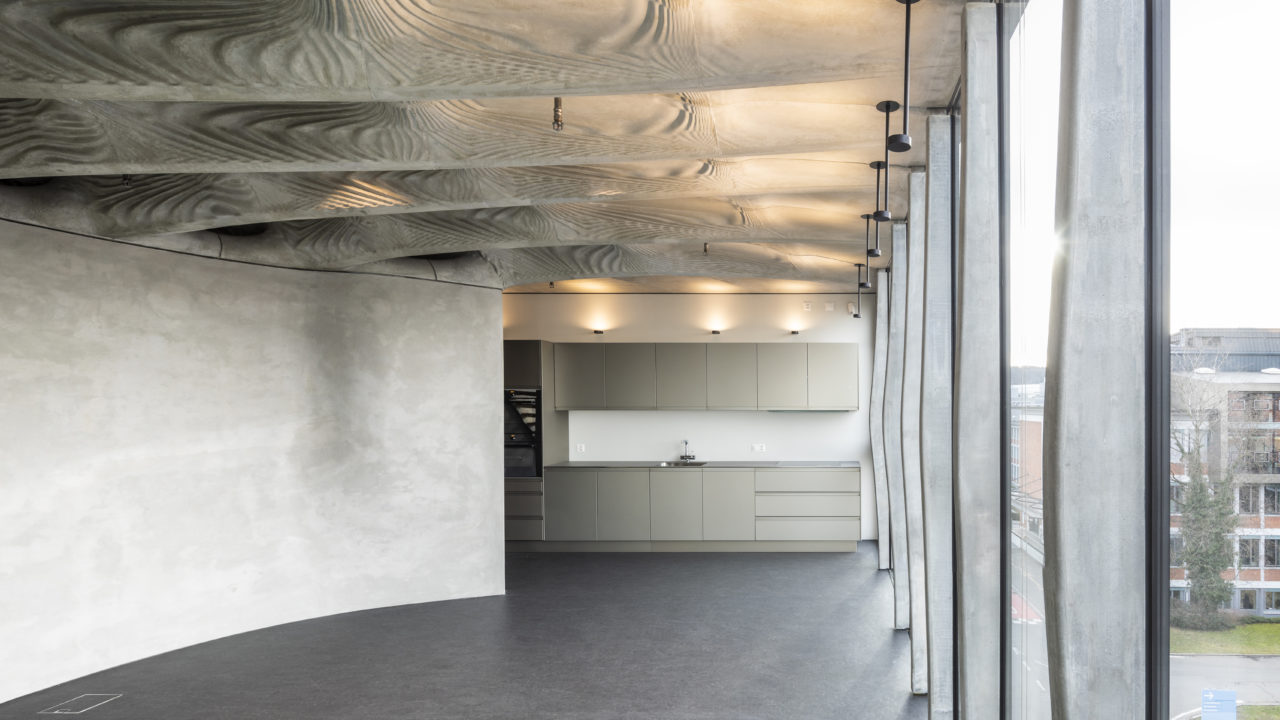
Beyond the printing of entire envelopes, robotics facilitates the reinvention of structural components through topological optimization. The SmartSlab project, integrated into the DFAB House in Switzerland, epitomizes this concept. By utilizing 3D-printed sand molds and robotic fabrication, engineers produced an ultra-lightweight, load-bearing concrete slab. This methodology ensures material deposition only where structurally necessary, minimizing the building's self-weight and its associated embodied carbon footprint.
Robotic Inspection and Autonomous Monitoring
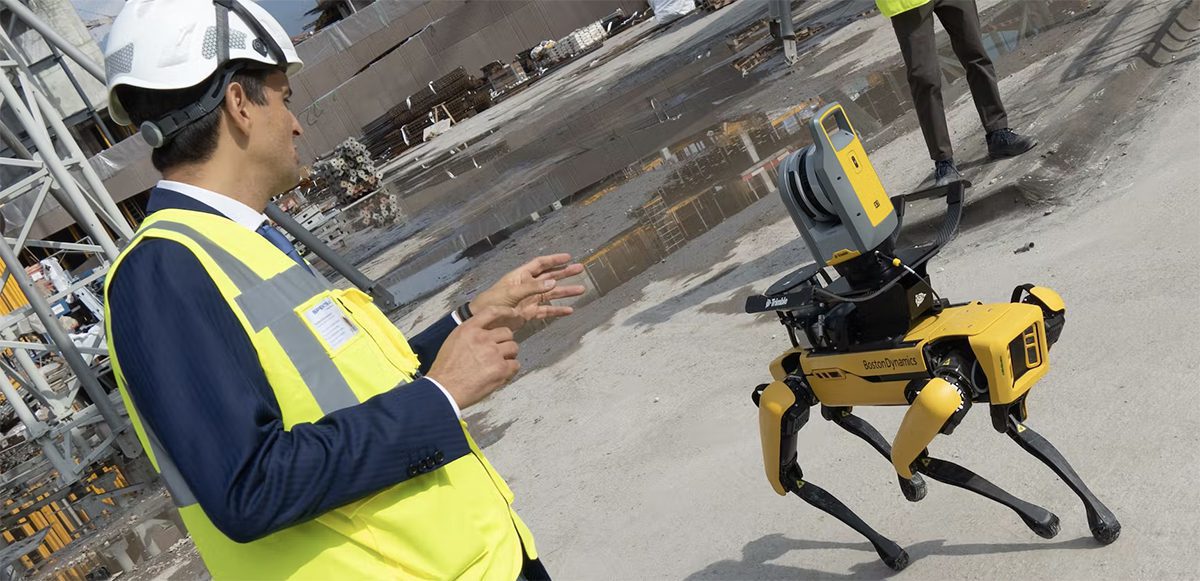
The management of site safety and the monitoring of work-in-progress (WIP) benefit immensely from mobile robotics. The deployment of the Spot quadrupedal robot by Impresa Percassi at the Chorus Life Bergamo site represents a pioneering case study. Capable of navigating unstructured terrain while equipped with LiDAR and photogrammetric sensors, these units enable continuous BIM-to-field synchronization. This ensures a level of supervisory granularity that would be hazardous or prohibitively slow for human operators.
Infrastructure Automation and Linear Construction
Robotic innovation is extending into critical infrastructure and road maintenance. The HERO system, implemented by Edil San Felice, introduces an autonomous solution for the management of roadwork zones. While currently focused on signaling and operator protection in high-risk traffic environments, the underlying technology of HERO foreshadows a future where linear construction sites are managed by terrestrial drone fleets capable of 24/7 operation with zero margin for error.
Automated Layout and Precision Positioning
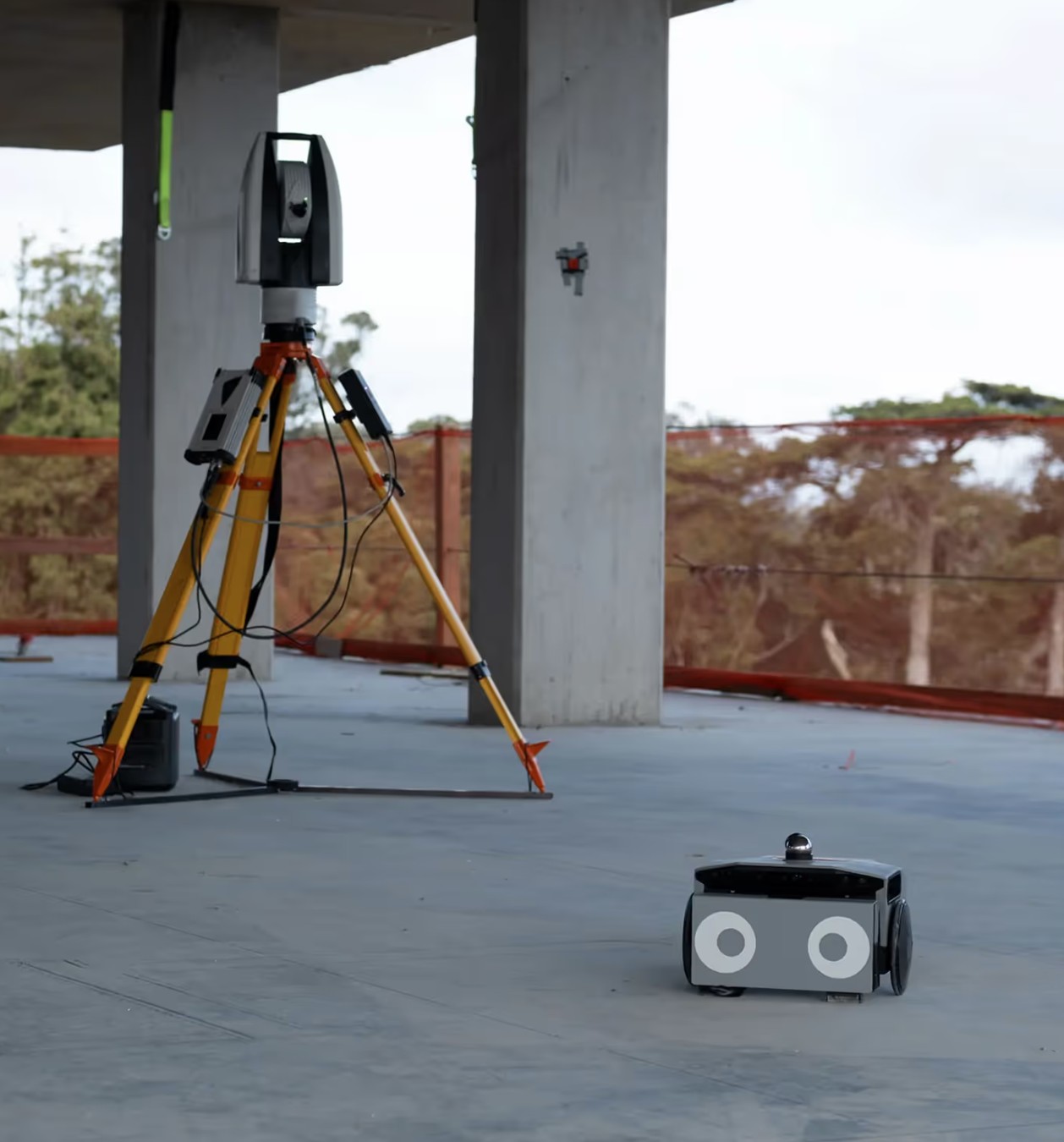
A historical bottleneck in construction productivity is the manual translation of blueprints to the physical site. The adoption of Dusty Robotics technology by Jenco in Arizona demonstrates how automated layout can revolutionize field productivity. By utilizing mobile robots that "print" millimetric-accurate project layouts directly onto the floor substrate derived from BIM models, the industry eliminates interpretation errors and drastically accelerates the subsequent phases of wall framing and MEP (Mechanical, Electrical, and Plumbing) installation.
Conclusion
The synthesis of these case studies highlights that while real-world applications in the construction sector remain quantitatively limited compared to traditional manufacturing, the industry is at a technological inflection point. The relevance of these robotic systems lies in their capacity to mitigate historical inefficiencies through digital accuracy. We are witnessing an evolution poised for exponential acceleration: the primary catalyst is currently the advancement of Artificial Intelligence. AI will allow robotic units to transition from rigid task-executors to adaptive agents capable of responding in real-time to the stochastic variables of a construction site. The future of the built environment depends on the strategic convergence of human expertise and autonomous engineering intelligence.
Stay informed
One email per month. R&D and innovation news for the construction industry.
No spam. Unsubscribe at any time.